• Skip to secondary menu
  • Skip to main content
  • Skip to primary sidebar
  • Skip to footer

Lilac City Momma

  • Home
  • About
  • Budgeting
  • DIY
  • Life Hacks
  • Mommy Blog
    • Kid Things
  • Recipes
  • Travel
  • Contact

Lynn

Safe Nursery Decorating: What to Avoid Near the Crib and Changing Table

March 6, 2026 by Lynn

Designing your baby’s nursery is one of the most joyful parts of preparing for parenthood. Between choosing dreamy wall colors, cozy bedding, and adorable accents, it’s easy to get swept up in style. But when it comes to your baby’s sleep and care areas—the crib and changing table—safety should shape every decorating choice. Creating an environment that’s both beautiful and secure is completely possible with some mindful planning and awareness of what not to put within reach.
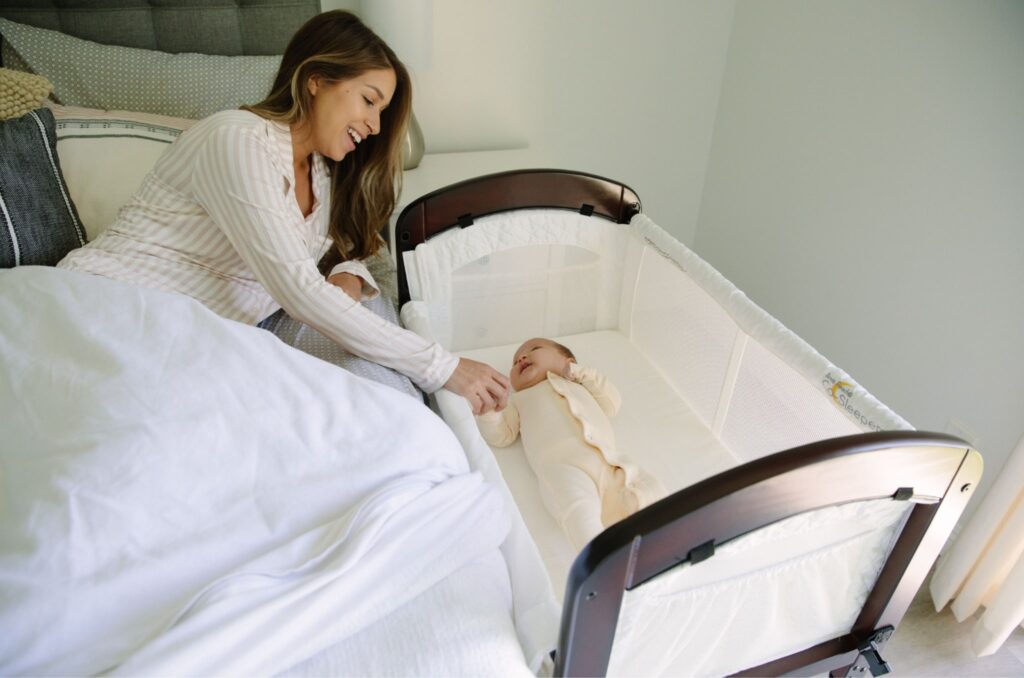


Here’s a guide to the most common nursery decorating mistakes and how to avoid them for a safe, stress-free space.

Avoid Anything Hanging Over the Crib

That sweet framed photo or those floating shelves might look charming above the crib, but they can pose a serious hazard. Anything that hangs overhead—art, mirrors, or mobiles with heavy pieces—can become dangerous if it falls or is pulled down once your baby starts sitting or standing.

Instead, decorate the wall across from the crib where your baby can enjoy the view safely. Lightweight wall decals or a painted mural can add color and texture without any risk of objects dropping into the crib.

Keep Soft Items and Loose Fabrics Away

The minimalist sleep environment advised by the American Academy of Pediatrics (AAP) exists for good reason. Pillows, stuffed animals, crib bumpers, and loose blankets increase the risk of suffocation or overheating. The safest setting for sleep is a firm mattress with a snug fitted sheet—nothing more.

If you crave a cozy aesthetic, layer comfort visually instead of physically. Choose textured wallpaper, soft area rugs outside the crib, or a beautiful woven mobile hung at a safe distance. You can also play with colors and subtle patterns through curtains or a comfy nursing chair to warm up the space safely.

Don’t Place the Crib Near Windows or Cords

Natural light is lovely, but placing the crib under a window is one of the most common nursery mistakes. Windows can bring temperature fluctuations, drafts, and even fall hazards if a baby learns to climb. Curtain cords or blind strings are particularly dangerous, posing strangulation risks.

Keep the crib at least two feet away from any windows, cords, or blinds. For window treatments, use cordless shades or short curtains with tie-backs that stay well out of reach. If you’re buying new décor, consider modern brands like Crane baby nursery décor, which prioritize both design and safety through smart product design.

Be Cautious with Wall Shelves and Floating Storage

Open shelving has become a nursery trend for showcasing books, baby shoes, or small keepsakes—but these are better placed above your own eye level, not above your child’s crib or changing table. An accidental tug or bump from a squirmy baby could send small items tumbling.

Use anchored, low-level storage such as cubbies or baskets placed on the floor. These options keep essentials accessible while minimizing risk. If you adore the look of styled shelves, place them above a reading nook or dresser instead, where your baby won’t be lying directly underneath.

Watch for Electrical Outlets and Cords

With baby monitors, sound machines, and night lights, it’s easy to have multiple cords near sleep or changing stations. Always route cords safely behind furniture or use cord covers. Avoid plugging devices within reach of small hands, even if you think your newborn won’t move much—it happens faster than you think.

Opt for battery-operated cameras or wireless monitors to reduce hazard points. Outlet covers can also help, but make sure they’re tamper-resistant and snug.

Avoid Heavy Décor Around the Changing Table

The changing table is another high-risk zone for decorative clutter. Babies wiggle, kick, and grab, so reach distance matters more than design. Skip the tall lamps, glass jars, or framed photos on top of or beside your changing station. Instead, secure essential items—like wipes, diapers, and creams—in wall-mounted bins or shelves firmly attached at chest height for adult access only.

A simple framed mirror hung well above the table can add light and style without introducing unnecessary risk. This creates a calm, open space for both you and your baby during diaper changes.

Test Before You Finalize

Before you consider your nursery complete, take time to test it from your baby’s point of view. Kneel or sit on the floor and look around—what’s within reach? What could dangle, fall, or attract attention? Babies explore the world through touch, so anything within arm’s reach will likely be tugged or chewed on.

It’s also smart to review your setup every few months. As your baby grows and starts sitting, crawling, and standing, adjust furniture and décor accordingly. Safety evolves right alongside your child’s development.

Building a Safe, Stylish Sanctuary

A safe nursery doesn’t mean compromising on style—it just means decorating thoughtfully. Choose décor pieces made from natural, non-toxic materials, anchor heavy furniture to walls, and keep all cords, soft objects, and sharp corners away from the crib zone. With secure furniture placement, smart storage, and calm, sensory-friendly touches, your baby’s room can be both safe and picture-perfect.

When form meets function, you create a nurturing space where your baby can thrive—and where you can rest easy, knowing every detail was chosen with care.

Filed Under: Mommy Blog

The Quick Check: Why Having Baby Arm’s Reach Away Eases New Parent Worries

December 15, 2025 by Lynn

PHOTO: Arm’s Reach

Bringing a new baby home is an exhilarating journey, but it often comes with a constant, nagging undercurrent of worry. New parents frequently experience a deep-seated urge to check on their sleeping infant: Are they warm enough? Are they okay? This nighttime vigilance, while natural, can severely disrupt the little sleep pats manage to get.

The solution to easing this worry without sacrificing rest lies in room-sharing, specifically by using a bedside sleep solution that keeps your baby safely within reach.

Here is why having a baby sleep at arm’s reach is the most effective and simplest way to calm those protective instincts and get back to sleep faster.

PHOTO: Arm’s Reach

1. Instant Reassurance with a Quick Glance

Worry thrives when information is scarce. If a baby is sleeping across the room or behind a closed door, that anxious feeling forces the parent to fully wake up, get out of bed, and walk over just to confirm everything is fine. This action is disruptive and makes it harder to fall back asleep.

When the baby is right next to the bed in a bedside bassinet, the “check” becomes effortless. Many of these sleepers feature breathable mesh sides, allowing parents to see the gentle rise and fall of the baby’s chest with just a shift of their eyes. This immediate visual confirmation is a simple, powerful way to quiet that protective urge and allow the parent to relax.

2. Physical Closeness Promotes Calm

It’s not just the baby who is soothed by proximity—parents benefit, too. The ability to reach out and touch the baby without standing up can be profoundly calming.

When a baby stirs, a parent can often simply place a hand on their chest or offer a gentle, familiar sound right from their own bed. Utilizing a safe bedside option, like the Arm’s Reach Co-Sleeper® bassinet, facilitates this easy connection. This brief, non-disruptive physical reassurance is often enough to settle a stirring baby and soothe the parent’s own nervous system, helping both parties return to sleep faster.

3. A Simpler Nighttime Routine

The practical benefit of closeness is that it minimizes effort, which maximizes rest. Whether it’s time for a feed or a diaper change, having the baby adjacent to the bed makes the transition seamless.

There’s no need to stumble in the dark or fully wake up to trek to a different room. By keeping the baby close, parents can handle the necessities quickly and efficiently, ensuring the entire family stays in a sleepy, calm state that is conducive to falling back to sleep immediately after the task is complete.

Creating a sleep environment that prioritizes safety and accessibility is the best tool for managing the everyday worries of new parenthood. By keeping your baby an arm’s reach away, you’re not just following safety guidelines, you’re giving yourself the gift of instant calm and more restful nights.

Filed Under: Mommy Blog

Encouraging Critical Thinking Through Historical Debates

May 18, 2025 by Lynn

Every parent wants to set their kids up for success, and a great way to do that is by teaching critical thinking. Pairing critical thinking lessons with history is also an amazing way to bring history to life and make it relevant to the modern era.

After all, as Winston Churchill once said, “Those that fail to learn from history are doomed to repeat it.” But there’s good news! Lessons about history and critical thinking don’t have to be boring. With a little bit of planning, you can take your kids on the adventure of a lifetime through lessons they won’t forget!

PHOTO: Tuttle Twins

Books that Teach Critical Thinking

Some of the best books for homeschool families include the Tuttle Twins series, which not only teach American history for kids but also critical thinking. The Tuttle Twins history books transform educational time into an exciting journey of discovery as kids learn to think critically about history and form their own views of it.

The Tuttle Twins series includes lots of books that teach critical thinking from a historical perspective, earning these titles a spot among the best books for homeschool families. From engaging fictional stories about the twins’ exploits to textbooks about American history for kids, the Tuttle Twins series will take your kids on a fun romp they’ll want to read over and over!

Encouraging Active Listening

In addition to using books that teach critical thinking, look for ways to encourage active listening in your kids. After all, the more they’re engaged, the more they will take in and learn.

To encourage active listening, ask probing questions while you’re reading books that teach critical thinking or talking about historical events. Emphasize how important it is to listen to multiple views and understand the reasoning behind those views.

Look for other ways to push your kids to dig deeper than the surface and explore the logic of different arguments while understanding the assumptions that led to those other views.

Simulating Historical Events

A great interactive way to get your kids engaged in critical thinking as they learn about history is through simulations of historical events. Talk about some of the great debates of the past and help your kids step back into history through roleplaying. Through these simulations and roleplaying, you’ll even learn alongside your kids!

You can also use simulations to relate history to today’s world. Look at today’s current events and use them to draw out different threads from history that have affected the way things are today. Think about how history has impacted today’s events and model critical thinking for your kids.

Nurturing Empathy in Your Kids

Critical thinking is about more than just understanding different viewpoints. History is full of events that provide important lessons about things that should never happen again.

Such events often warrant empathy even though they happened in the past. In fact, history continues to affect us each and every day, so understanding these threads are an important part of fostering empathy for yesterday’s problems that have become today’s key issues.

Reinforcing Lessons Through Books that Teach Critical Thinking

Equipping your kids with the critical thinking skills they need to be successful may seem like a challenge, but it’s also an adventure you and your kids will enjoy embarking on together! The Tuttle Twins series and other books that teach critical thinking skills will bring you full circle to help reinforce what you’ve been teaching.

With books and these other engaging activities in your toolbelt, you and your kids will love your journey through history and into the modern world!

Filed Under: Life Hacks

3 Back-to-School Tips for the Elderly

January 9, 2025 by Lynn

Who says back-to-school season is just for kids? Learning is a lifelong journey, and for older adults, heading back to school—whether it’s a college course, a workshop, or a community class in your retirement community —can be an exciting and rewarding experience. If you’re ready to get into something new but feeling a little unsure about how to get started, here are 3 tips to help you ease back into learning.

Choose a Subject That Sparks Joy

The beauty of learning later in life is that you’re doing it for you. There are no grades or tests to stress over—just the opportunity to explore something you’re passionate about.

So:

  • Follow your interests: Love art? Sign up for a watercolor painting class. Curious about history? Get into a course on ancient civilizations. The key is to pick something you genuinely enjoy.
  • Consider practical skills: If you’re looking to keep up with technology or improve your daily life, classes on computer skills, cooking, or even budgeting can be super helpful.
  • Try something totally new: Sometimes the best way to grow is by stepping out of your comfort zone. Always wanted to try yoga, photography, or creative writing? Now’s the time!

Embrace Technology for Learning

Really, education today often involves a tech component, whether it’s online courses or using apps to supplement your learning. While it might feel intimidating at first, technology can be a fantastic tool for older learners.

You want to:

  • Start small: If you’re new to digital learning, begin with user-friendly platforms like YouTube or free online courses from websites like Khan Academy or Coursera.
  • Ask for help: Don’t hesitate to ask family, friends, or even the instructor for a quick tutorial on how to use Zoom, navigate a website, or download course materials. Most people are happy to help!
  • Take advantage of senior resources: Many libraries and community centers offer free classes or one-on-one tech support tailored to seniors. These can help you feel more confident navigating the digital side of learning.

Set Yourself Up for Success

Whether you’re learning in person or online, creating the right environment and mindset can make a big difference in your experience.

You want to:

  • Establish a routine: Treat your classes like an important appointment. Set aside regular times to attend, study, or practice what you’re learning.
  • Create a comfortable workspace: If you’re studying from home, set up a cozy and well-lit spot with everything you need—your computer, notepad, glasses, and maybe even a cup of tea.
  • Stay patient with yourself: Remember, learning something new takes time. Don’t get discouraged if you’re not picking things up as quickly as you’d like. Celebrate small victories, like mastering a new skill or understanding a tricky concept.


Going back to school as an older adult can be awesome and these tips are a great way to make things easier!


Filed Under: Mommy Blog

3 Secrets of Happy Seniors

September 10, 2024 by Lynn

When it comes to aging gracefully, you can buy all the creams in the world you want, but nothing provides the same anti-aging benefits as good old fashioned happiness. Enjoying your retirement years is something that should come naturally.

Yet, depression is one of the most common concerns for people over the age of 60. While it can boil down to several different factors, usually it’s a result of the loneliness that comes along with going out less. The good news is that the secret to happiness usually isn’t so complicated. Here are some secrets that may help you live a happier and more meaningful life.

They Stay Connected

Social connections play a significant role in your happiness. If you can manage to maintain strong relationships with the people that you love, then your relationships will provide emotional support and reduce your feelings of loneliness and isolation.

Besides staying in touch with people you love, you might also want to join clubs or activities. You could try out volunteering, or even trying out a team sport. There are all sorts of different ways to interact with people and offer a sense of belonging.

Staying connected is one of the best things you can do for yourself physically mentally and emotionally, and can lead to all sorts of new connections and friendships you wouldn’t have otherwise have had.

They Constantly Learn

If there’s one thing happy people never stop doing, it’s constantly pursuing knowledge. Lifelong learning is an essential part of staying motivated and passionate about life. Remember, learning is not just about acquiring new skills, but staying curious and open to new ways of life and thinking.

Seniors who challenge themselves to take on new activities or ways of thinking maintain a strong sense of purpose. Perhaps you could learn to play a new instrument, or even try out a new language. There are all sorts of different opportunities out there to enrich your life and advance as a human being.

They Stay Physically Active

Maintaining physical health is a critical part of happiness because it’s so much easier to be happy when you’re healthy! If you’re feeling sluggish or ill, you might feel down in the dumps, or even full on depressed. Make a point of being active regularly, try out walking, or even yoga.

If you’re feeling a little more daring, you could even try out something more intense like running or dancing. The idea is to find something that gets your body moving that you actually enjoy. This will provide a greater sense of accomplishment, and ultimately motivate you to keep going.

After all, if you don’t enjoy whatever physical activity you’re doing then it’s only a matter of time until you give up.


Filed Under: Mommy Blog

  • Page 1
  • Page 2
  • Page 3
  • Interim pages omitted …
  • Page 65
  • Go to Next Page »

Primary Sidebar

The Lilac City Momma

Hi ladies! I'm Lynn, the mother of two beautiful children. I have a 4 year old girl and an 8 month old boy. I love them beyond works, but sometimes motherhood is exhausting. So I started this blog to share all my DIY's, hacks and recipes to make life easier on moms around the world.

Follow Me!

  • Email
  • Facebook
  • RSS

Safe Nursery Decorating: What to Avoid Near the Crib and Changing Table

The Quick Check: Why Having Baby Arm’s Reach Away Eases New Parent Worries

Encouraging Critical Thinking Through Historical Debates

3 Back-to-School Tips for the Elderly

Footer

Let’s Be Mom-Friends :)

  • Email
  • Facebook
  • Pinterest
  • RSS
  • Twitter
  • YouTube

Learn More About Me and My Kids

Get the Latest!

Get tips and hacks to make your mommy life easier!

© 2026 · Lilac City Momma